



 Popular Categories
Preparing for Halloween Night: Tips for Officers on Duty

Halloween night presents a unique set of challenges for law enforcement professionals. The combination of large crowds, excited children, and adults in costume requires a heightened state of readiness and a specific operational approach. Halloween offers a variety of calls for service and experiences. For officers on duty, preparation is the key to ensuring community safety and managing incidents effectively. This guide offers practical tips to help you and your department prepare for a successful and secure Halloween patrol.
Effective planning and awareness enable your agency and the community to collaborate in understanding the clearly defined rules and expectations, which can greatly reduce risks. This will allow communities to enjoy the festivities while maintaining order. From official candy passer outer to identifying potential threats, your role is critical. The following sections provide detailed strategies for managing the various aspects of Halloween night.
Situational Awareness and Pre-Shift Briefing
A comprehensive pre-shift briefing is essential for aligning all on-duty personnel. This meeting should serve as the foundation for the night's operations, ensuring every officer is informed and prepared.
- Review Local Intelligence: Highlight any known trick-or-treat routes or planned events, as well as potential hotspots for disturbances or specific community concerns, such as areas with heavy foot traffic or poorly lit roadways. Reviewing call history from previous years can help anticipate where resources will be most needed. (We all know the streets that hand out the king-size candy bars, and the high demand they bring!)
- Establish Clear Communication Protocols: Confirm radio channels and backup communication methods. A clear protocol for reporting suspicious activity (any other night teens sneaking around in masks would be a red flag, but things like that will have a more acceptable response during Halloween), managing large crowds, or requesting assistance ensures a coordinated response is key to ensure everyone has fun and criminal behavior does not go unrecognized.
- Clarify Roles and Patrol Zones: Assign specific patrol areas to ensure comprehensive coverage. Designate officers for traffic control points, pedestrian-heavy zones, and roving patrols to provide a visible and reassuring presence. The community will appreciate the ‘all hands on deck’ response and will go a long way in residents minds.
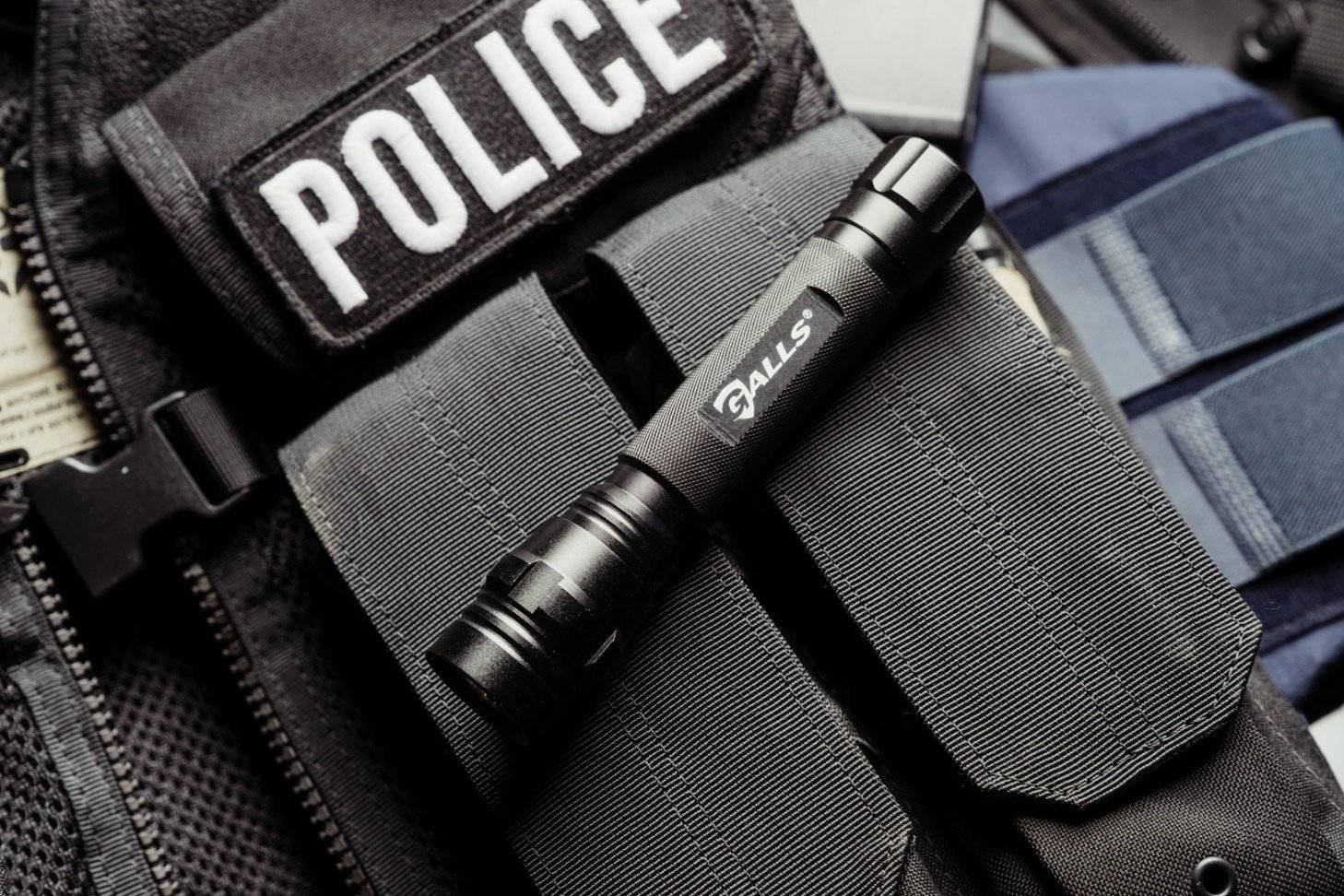
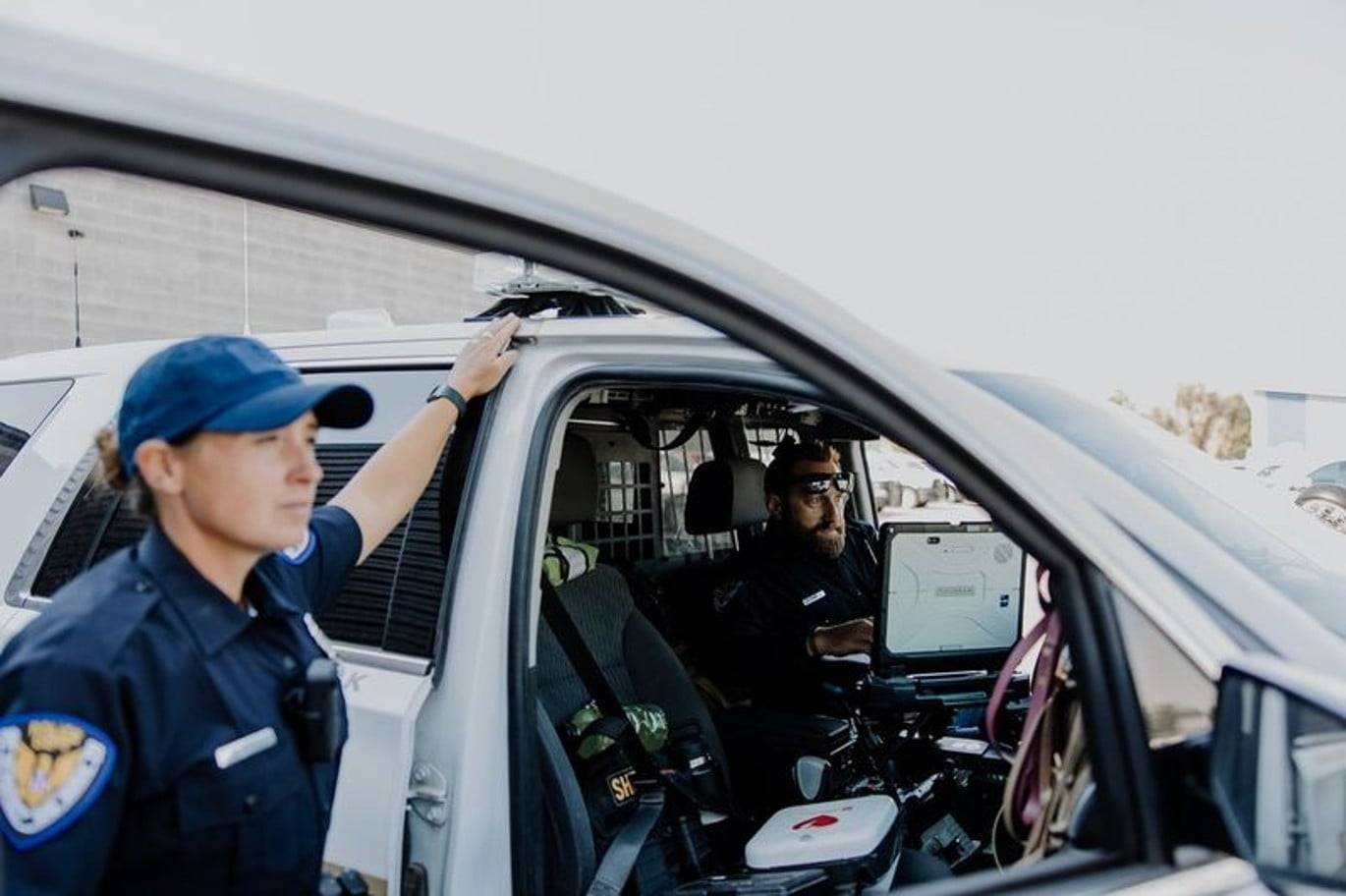
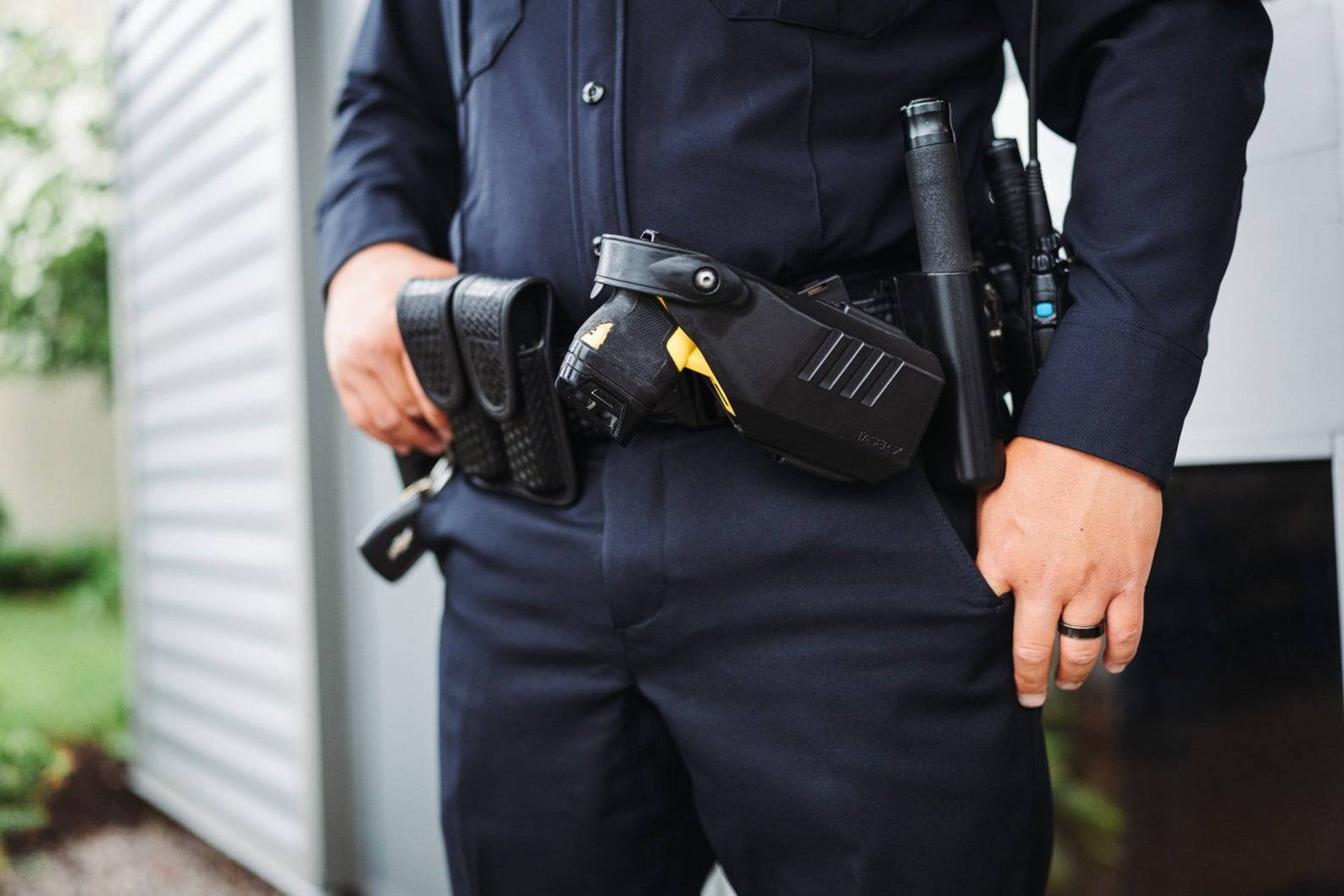
- Equipment Check: Before your shift begins, ensure all essential law enforcement gear is operational. This includes your flashlight, radio, body camera, high-visibility safety vest, fully stocked medical kit, and any additional crowd or traffic control equipment your vehicle may carry. A reliable light source and immediate access to medical supplies are particularly important after dusk.
- Patience: You were a kid once running around the neighborhood on a sugar high with a 20 pound bag of candy. Now you’re old and someone else is being that younger version of you. Kids will dart out in traffic. They might not say ‘trick or treat’. They may walk very slowly in the road way as they try to make it home, legs dragging with exhaustion. Bring your patience and know its just one night out of the year.
Crowd Management and De-escalation
Large gatherings, both planned and spontaneous, are common on Halloween. Managing these crowds effectively is crucial to prevent situations from escalating.
- Maintain High Visibility: A consistent and visible police presence can deter disorderly conduct and reassure the public. Position patrol cars in strategic locations and conduct regular foot patrols in areas with heavy foot traffic. For poorly lighted roadways, turn on the vehicle lights to add a deterrence to anyone nearby that might want to ruin the fun for others.
- Engage with the Community: A positive, proactive approach can set the tone for the evening. Engage with community members, offer safety tips to parents, and interact positively with children. This builds trust and encourages cooperation.
- Identify and Address Problems Early: Be vigilant for signs of escalating tension, intoxication, or illegal activity. Early intervention can often de-escalate a situation before it requires a significant law enforcement response. Address noise complaints and ordinance violations promptly and professionally. It is okay to give some slack to normally enforced behavior, but also ensure that safety and control are maintained and placed as the top priority.
Traffic and Pedestrian Safety
With an increase in pedestrians, especially young children, traffic control becomes a top priority. The risk of accidents is significantly higher as trick-or-treaters, often in dark costumes, dart between cars and across streets.
- Implement Traffic Control Measures: In neighborhoods with high levels of trick-or-treating activity, consider implementing temporary traffic calming measures. This may include designated one-way streets, reduced speed limits, or even street closures. This could be for the evening or only for trick-or-treat hours.
- Focus on Driver Behavior: Be alert for impaired drivers. Halloween parties often involve alcohol, increasing the likelihood of DUIs. Also, monitor for distracted and aggressive driving, as these behaviors pose a significant threat to pedestrians. Just because it is a holiday does not mean people will get a free pass to forget the laws.
- Protect Pedestrians: Encourage trick-or-treaters and their parents to carry flashlights, wear reflective gear, and add reflective tape to costumes to improve visibility. Consider taking steps to make these pleas early through social media posts and reminders within community groups. Remind groups to use crosswalks and sidewalks whenever possible. Officers should also utilize high-visibility safety vests and use reliable duty flashlights while directing traffic or patrolling pedestrian-heavy areas. It is essential to have medical kits readily accessible to provide prompt first aid in case of accidents or health emergencies. Your preparedness, equipped with both safety gear and medical supplies, reinforces safe behaviors and ensures quick response to any incidents.
Top Pick: Flying Cross LIT Safety Vest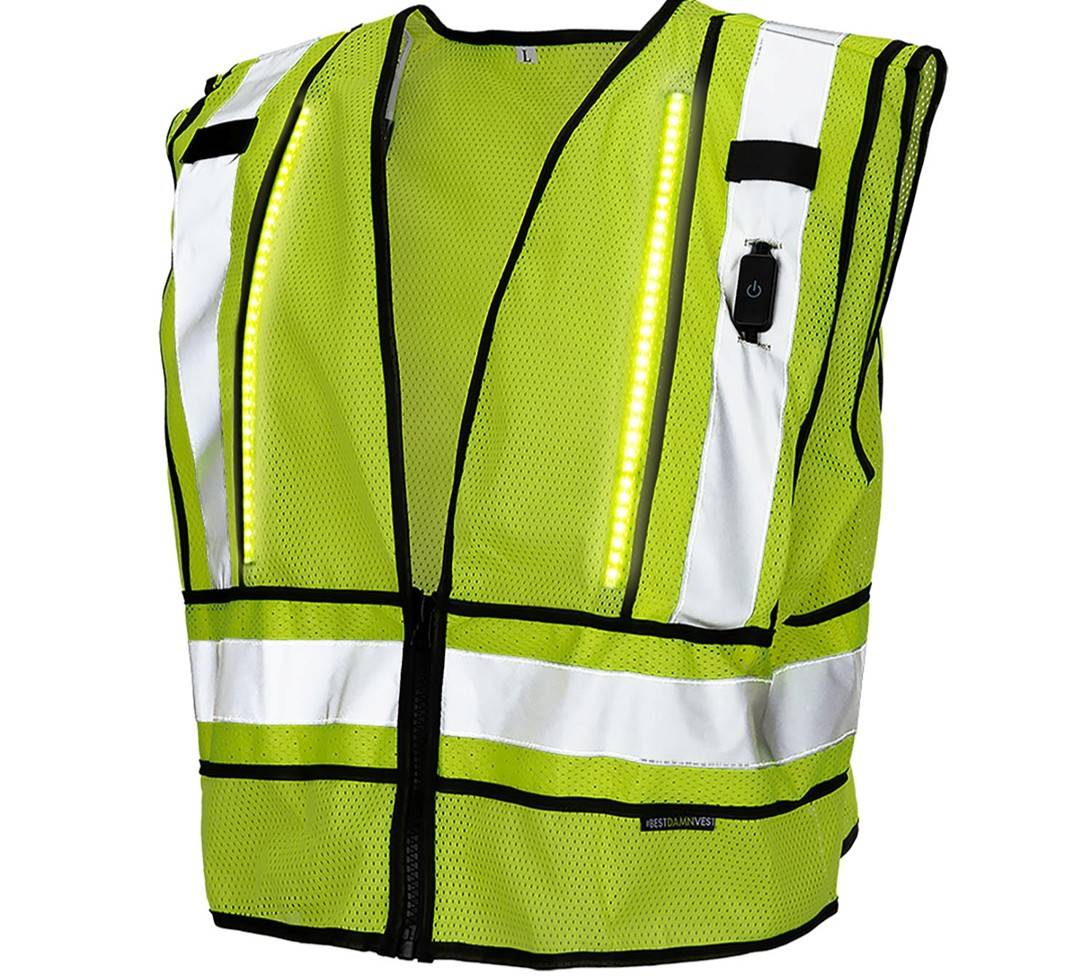
Top Pick: Streamlight Stinger LED HL Rechargeable Flashlight
Top Pick: Dyna Med Rescue Responder Kit
Top Pick: Galls Original StreetPro Gear Bag
Dealing with Costumes and Masks
Costumes are a central part of Halloween, but they can also create challenges for law enforcement. Masks can obscure identity, and costume props can be mistaken for real weapons.
- Weapon Identification: Exercise caution when approaching individuals with costume props that resemble firearms, knives, or other weapons. Maintain a safe distance and use clear, calm communication to assess the object and intent. Most are harmless, but do not let compliancy win just because it’s the day of the costumes.
- The Challenge of Masks: Masks can make identifying individuals difficult. While most people wear them for festive purposes, be aware that some may use them to conceal their identity while committing crimes. Pay attention to overall behavior and context rather than the mask alone. Ask yourself: are they following trick-or-treat behavior, are they out past the trick or treat time, are they carrying something other than a sack of candy, are they not carrying any candy at all, are they wearing a full costume or just a mask, are they nervous, looking around or trying to evade you. The mask alone is not a sign of criminal activity/intent but a could be a small clue to the puzzle.
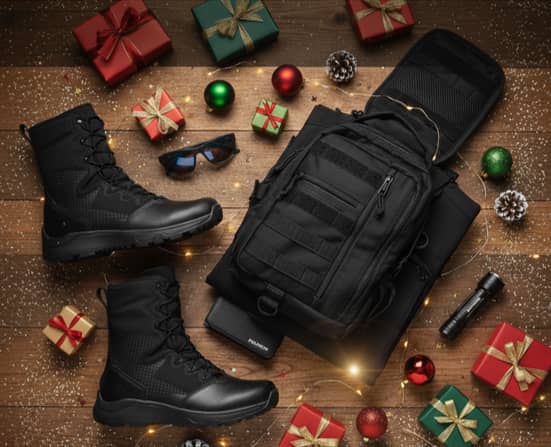
- Officer Safety Considerations: When responding to calls, remember that a person's appearance may not align with their actions. An individual in a playful costume could still pose a threat. Maintain tactical awareness and do not let the festive atmosphere lead to complacency. Do not outdrive your headlights. When running code, it is easy to get to high speeds but remember, there is an increased amount of civilians out and about creating more need for defensive driving to ensure everyone’s safety. Selecting a quality pair of boots is also essential for long shifts that keep you on your feet.
Ensuring the Safety of Trick-or-Treaters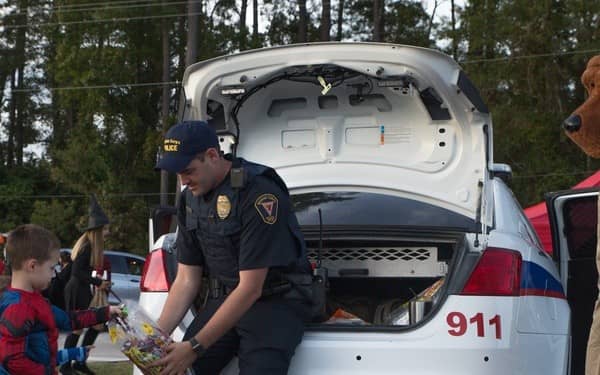
The night is meant to be fun so protecting the youngest members of the community is a primary objective.
- Be a Visible Resource: Position yourself where families can easily approach you if they need assistance, have a concern, or if a child gets separated from their group.
- Monitor for Suspicious Activity: Keep an eye out for individuals who seem to be targeting children or behaving inappropriately. This includes watching for anyone deliberately creating issues, attempting to lure children away from their parents, or causing damage to Halloween decorations.
- Support Community Safety Programs: Many communities have "safe house" programs or designated safe zones for Halloween. Familiarize yourself with these locations and help direct families to them if needed. Your support for these initiatives reinforces the partnership between law enforcement and the community.
Conclusion
Halloween night demands vigilance, professionalism, and a community-focused mindset from every officer on duty. By preparing thoroughly, communicating clearly with your team, and engaging positively with the public, you can effectively manage the unique challenges of the evening. Your dedication ensures that Halloween remains a safe and enjoyable event for everyone. Stay alert, stay safe, and be proud of the vital role you play in protecting your community.
Related Posts
Disclaimer: The information in this blog post is for general informational purposes only and should not be taken as legal, regulatory, safety, or professional advice. Galls, LLC and its affiliates (collectively, the “Company”) distribute public safety and law enforcement products but do not manufacture the items discussed. All product details are based on manufacturer-provided information and have not been independently verified by Galls. We make no warranties regarding the accuracy or completeness of such information. Readers should consult the respective manufacturer or regulatory authority for the latest details.
For more detailed information, visit our Disclaimer Page.
 Item Added to Cart!
